
Transcendent Logo

Age Verification

The compounds in Transcendent Labs are for research by adults only.Confirm you are 18 or older to access.

Bio-Active Engineering © 2026

Research peptide catalog

Research Peptides

Transcendent Labs provides research peptides intended strictly for laboratory research. Each active product page presents its available analytical documentation, current inventory status and research-focused material information.

Research-use only
Purity data when documented
Product-level documentation
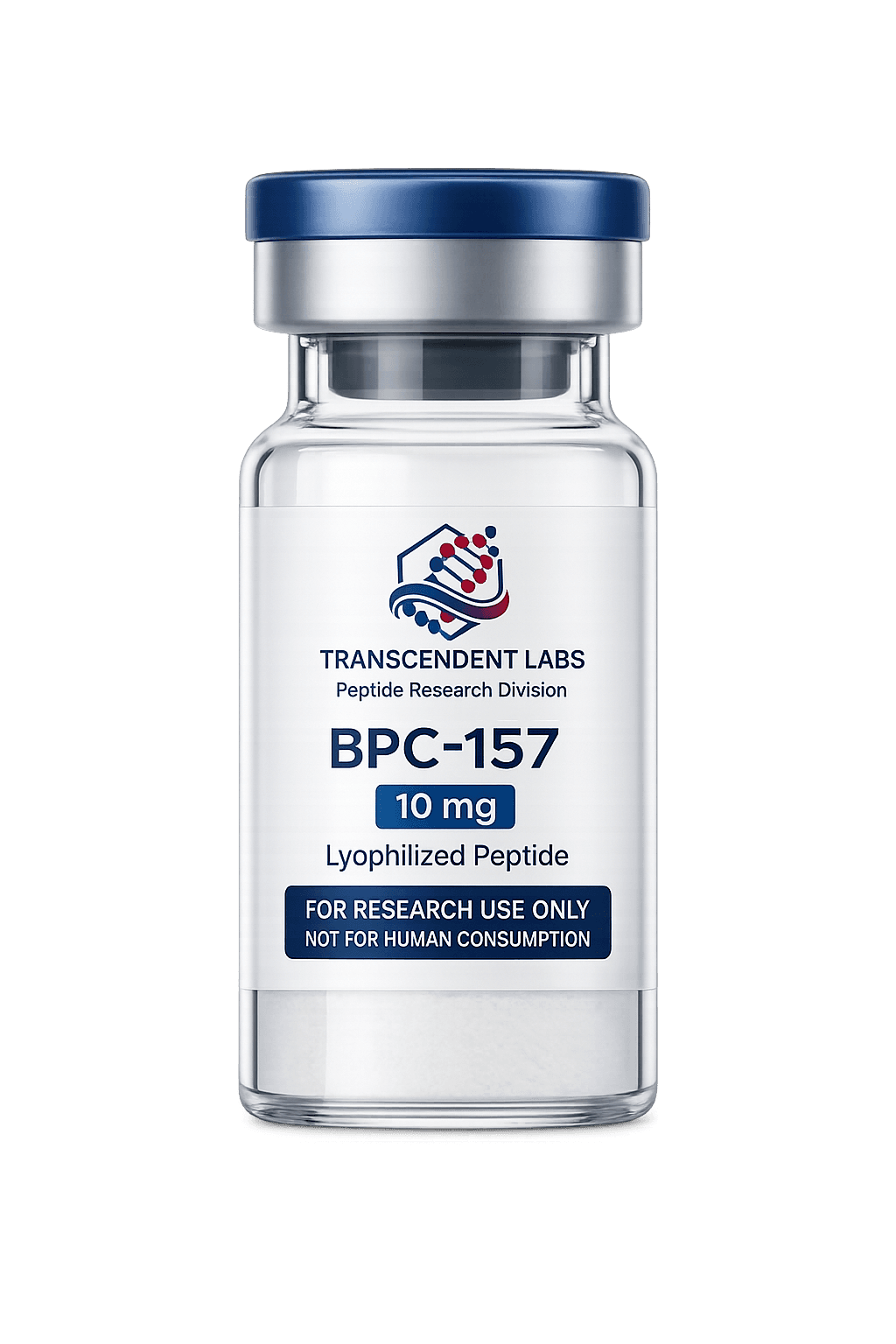
BPC-157 10mg research compound
peptidesIn stock

BPC-157 10mg

BPC-157 is a synthetic peptide composed of 15 amino acids, originally derived from a naturally occurring protein found in human gastric juice. Within laboratory and preclinical research environments, BPC-157 has attracted scientific interest due to its observed role in cellular protection, tissue organization, and regenerative signaling pathways. In research models, BPC-157 has been studied for its involvement in processes related to musculoskeletal integrity, including muscle, tendon, ligament, and skin repair mechanisms. It has also been investigated for its interaction with gastrointestinal system pathways, where it is evaluated in experimental models focused on digestive function and cellular protection. Additional research has explored its role in blood flow regulation, collagen synthesis, and angiogenic signaling, contributing to its relevance in tissue and vascular development studies. These findings have positioned BPC-157 as a compound of interest in experimental models related to wound healing, recovery processes, and overall cellular regeneration within controlled laboratory settings. BPC-157 supplied for research purposes is manufactured to meet high analytical standards. It is typically provided as a high-purity, LPS-free peptide, verified as an endotoxin-free peptide, and classified under research peptides endotoxin tested protocols. These quality attributes support reproducibility, consistency, and integrity across experimental and laboratory investigations. Importantly, BPC-157 is not intended for human or animal use. It is supplied strictly for laboratory, educational, and investigative research purposes only.
Analytical purityHigh Purity
$45.00
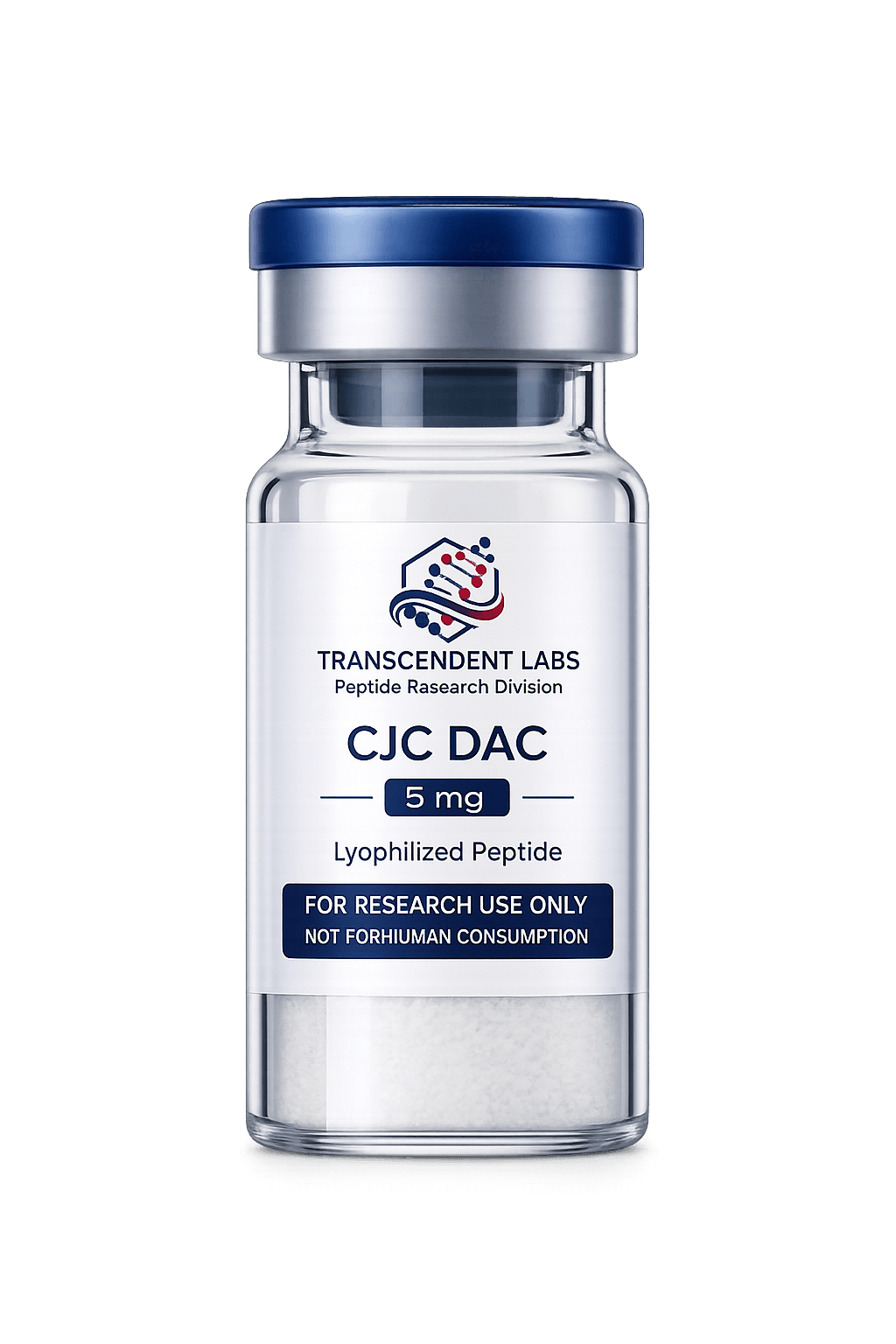
CJC 1295 DAC 5 mg research compound
peptidesIn stock

CJC 1295 DAC 5 mg

CJC-1295 with DAC (Drug Affinity Complex) is a synthetic peptide analog of growth hormone-releasing hormone (GHRH) designed to stimulate endogenous growth hormone (GH) secretion through activation of GHRH receptors in the anterior pituitary. The incorporation of the DAC modification allows the peptide to bind to serum albumin, significantly extending its half-life and enabling sustained release and prolonged biological activity compared to non-modified GHRH analogs. This extended activity results in increased pulsatile secretion of growth hormone and subsequent elevation of insulin-like growth factor-1 (IGF-1) levels over an extended period. In research settings, CJC-1295 with DAC has been studied for its role in endocrine regulation, growth hormone dynamics, tissue repair processes, and metabolic function. Its structure is engineered for enhanced stability and resistance to enzymatic degradation, making it a valuable compound for investigating long-acting growth hormone modulation pathways. This product is intended strictly for research purposes only and is not for human consumption, clinical use, or therapeutic application.

Analytical purityHigh Purity
$58.00
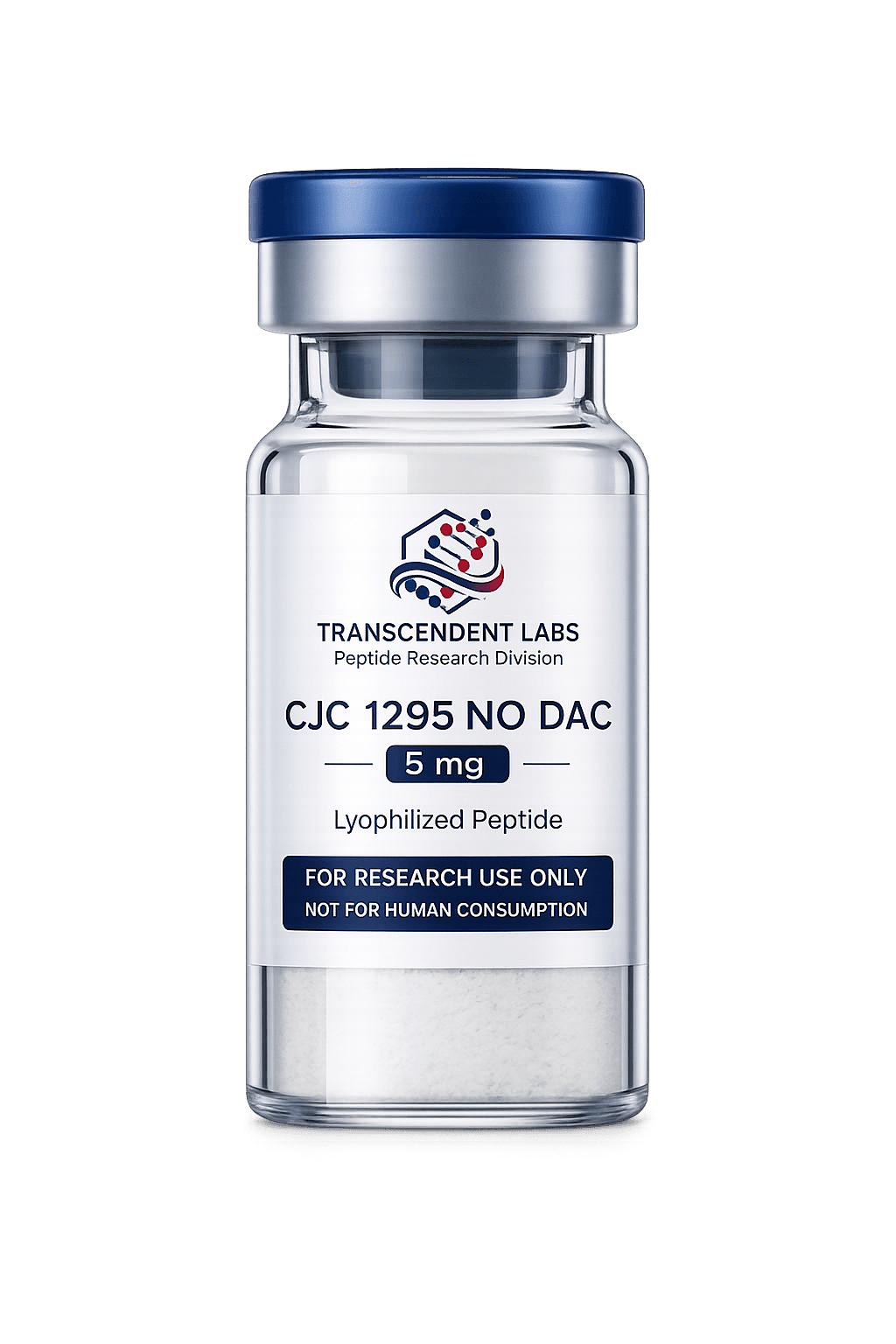
CJC 1295 NO DAC 5 mg research compound
peptidesIn stock

CJC 1295 NO DAC 5 mg

CJC-1295 without DAC is a synthetic peptide analog of growth hormone-releasing hormone (GHRH) designed to stimulate the natural, pulsatile release of growth hormone (GH) by binding to GHRH receptors in the anterior pituitary. Unlike its DAC-modified counterpart, this version has a shorter half-life, resulting in a more transient and physiologically mimetic stimulation of GH secretion that closely follows the body’s natural rhythms. This leads to downstream increases in insulin-like growth factor-1 (IGF-1) levels while maintaining tighter temporal control over hormone release. Structurally, CJC-1295 no DAC is engineered to improve stability compared to native GHRH while still allowing rapid clearance, making it particularly useful in research focused on short-acting endocrine signaling and growth hormone dynamics. In experimental settings, it has been studied for its role in metabolic regulation, tissue repair processes, and the modulation of circadian hormone patterns. This compound is intended strictly for research purposes only and is not for human consumption, clinical use, or therapeutic application.

Analytical purityHigh Purity
$47.00
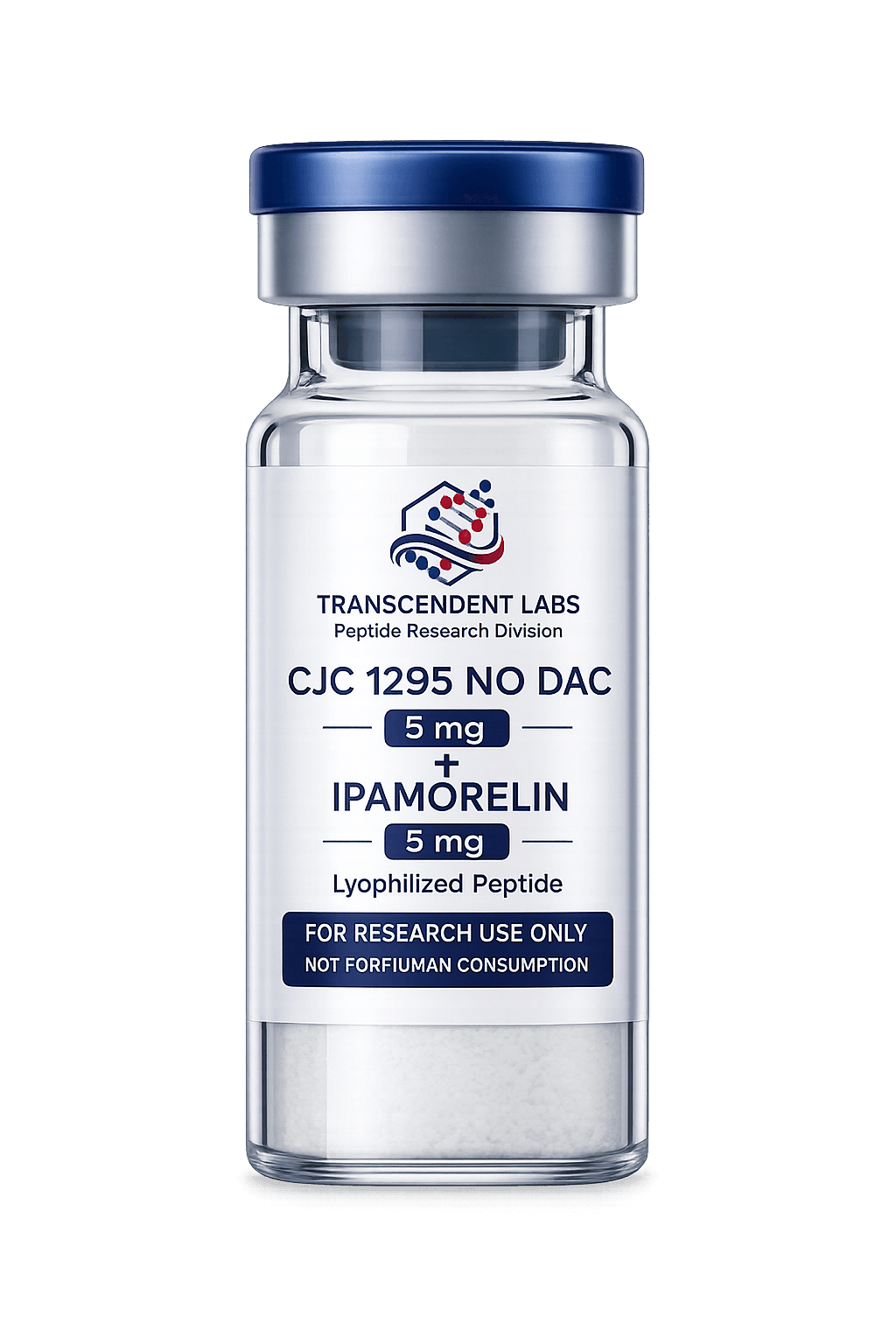
CJC 1295 NO DAC 5 mg +IPAMORELIN 5 mg research compound
peptidesIn stock

CJC 1295 NO DAC 5 mg +IPAMORELIN 5 mg

CJC-1295 without DAC combined with Ipamorelin is a dual-peptide formulation designed to synergistically stimulate endogenous growth hormone (GH) secretion through complementary mechanisms. CJC-1295 no DAC is a modified analog of growth hormone-releasing hormone (GHRH) that binds to GHRH receptors in the anterior pituitary, promoting pulsatile GH release in a manner that closely mimics physiological patterns. Ipamorelin, a selective growth hormone secretagogue, acts on ghrelin (GHS-R1a) receptors to further enhance GH secretion without significantly influencing cortisol or prolactin levels. When used together in research settings, these peptides produce a coordinated effect that amplifies GH pulses while maintaining a short-acting profile due to the absence of DAC, allowing for greater control over timing and frequency of stimulation. This combination has been studied for its effects on endocrine signaling, metabolic regulation, and tissue repair processes, as well as its ability to model natural growth hormone dynamics. Both peptides are structurally engineered for improved stability relative to endogenous hormones while retaining rapid clearance characteristics. This product is intended strictly for research purposes only and is not for human consumption, clinical use, or therapeutic application.

Analytical purityHigh Purity
$55.00
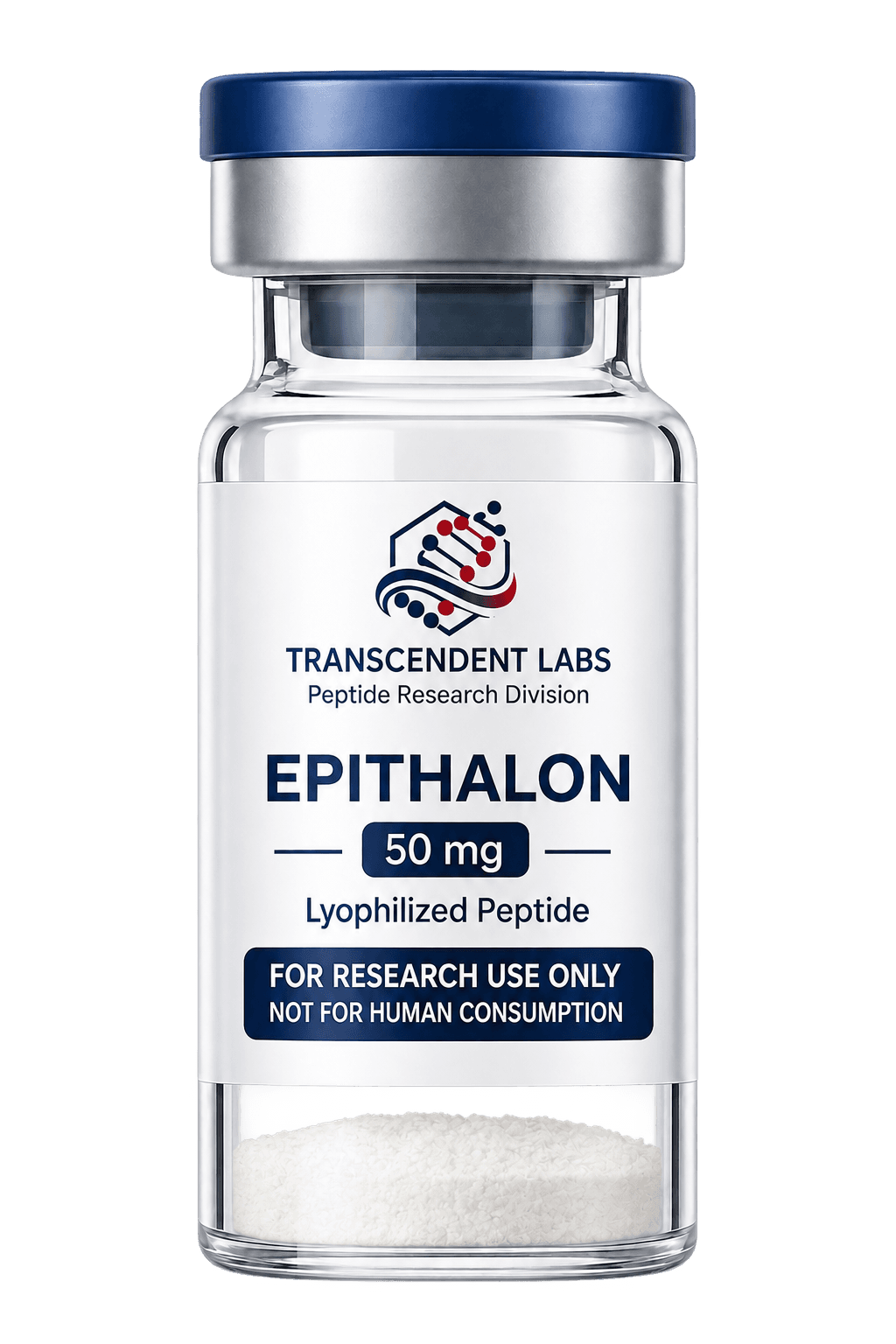
EPITHALON research compound
peptidesIn stock

EPITHALON

Epithalon: Telomere and Cellular-Aging Research Peptide Epithalon—also commonly spelled Epitalon—is a synthetic tetrapeptide composed of four amino acids: Ala-Glu-Asp-Gly. It was developed from research involving peptide compounds associated with the pineal gland. Epithalon has attracted scientific interest because of its observed effects on telomerase activity, telomere length, cellular aging, and circadian signaling in experimental models. Researchers study Epithalon for its potential role in: • Telomerase activity and hTERT expression • Telomere-length regulation • Cellular aging and replicative senescence • Cell-cycle and longevity models • Pineal-gland signaling • Melatonin production and circadian rhythms • Oxidative-stress responses • Age-related cellular changes Telomeres are protective structures located at the ends of chromosomes. They generally become shorter as cells divide, eventually contributing to cellular senescence—the stage at which a cell stops dividing. Laboratory studies involving cultured human cells have reported that Epithalon can influence telomerase, the enzyme responsible for maintaining and extending telomeres. More recent cell-culture research has also examined its relationship with hTERT expression and alternative telomere-lengthening pathways. Animal and limited human research has additionally explored Epithalon’s relationship with pineal function, nighttime melatonin production, and circadian rhythms. These findings have made it an important subject in aging and longevity research, but they do not demonstrate that Epithalon reverses aging, extends human lifespan, or treats sleep disorders. Important Notice Epithalon is intended strictly for laboratory research and analytical use. It is not approved by the FDA for human consumption, anti-aging treatment, sleep treatment, veterinary use, or diagnostic purposes. Laboratory, animal, and preliminary human findings should not be interpreted as established clinical benefits.

Analytical purityHigh Purity
$89.00
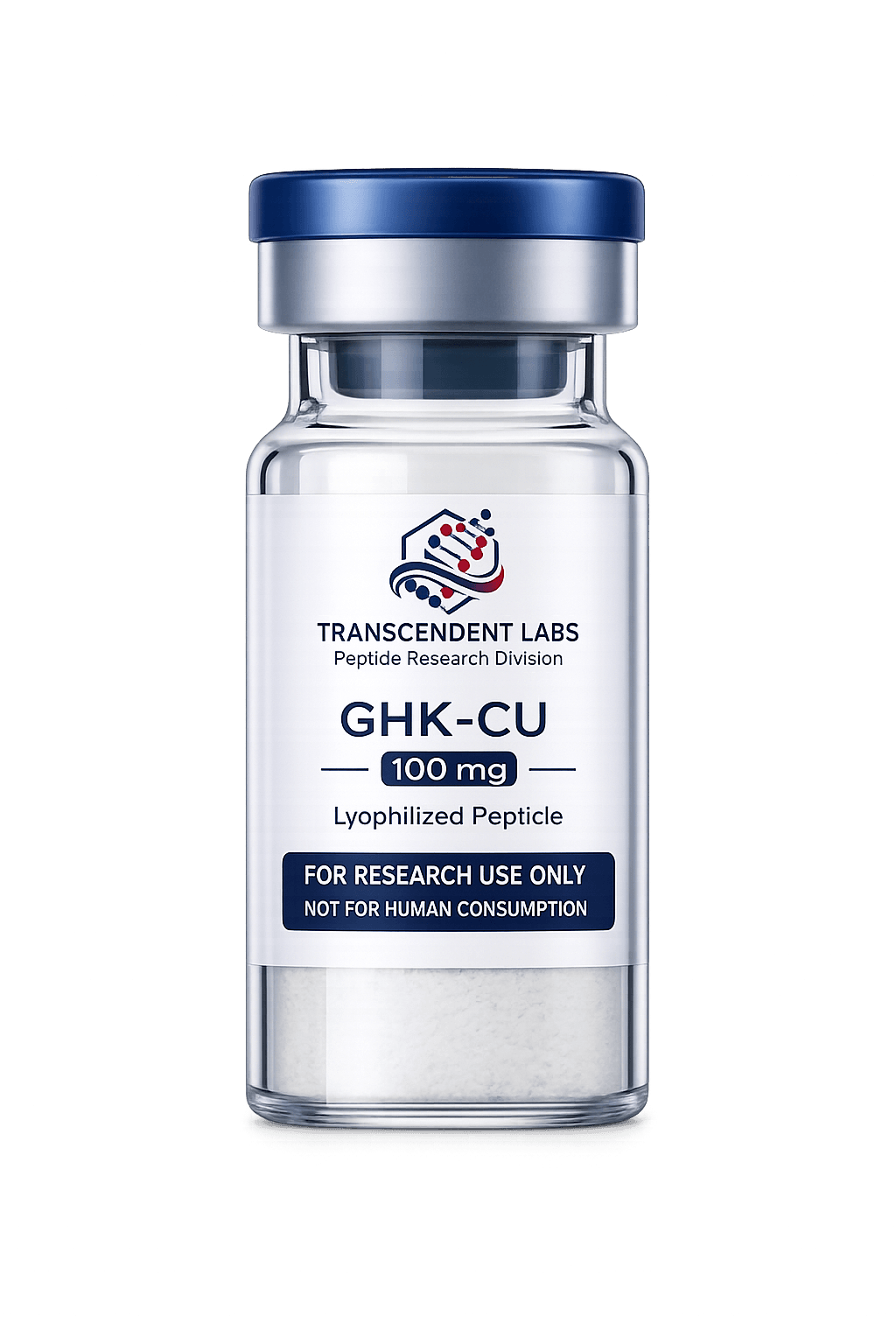
GHK-Cu (Copper Tripeptide-1) 100mg research compound
peptidesIn stock

GHK-Cu (Copper Tripeptide-1) 100mg

OUT OF STOCK GHK-Cu is a naturally occurring copper complex of the tripeptide glycyl-L-histidyl-L-lysine. It has a strong affinity for copper(II) and plays a crucial role in the remodeling of skin tissue. Research suggests it promotes glycosaminoglycan synthesis, stimulates collagen production, and possesses significant anti-inflammatory and antioxidant properties. **Molecular Formula:** C14H24N6O4Cu **Molecular Weight:** 403.94 g/mol **Sequence:** Gly-His-Lys-Cu **Appearance:** Blue lyophilized powder. **Storage:** Store at -20°C. Reconstitute with bacteriostatic water. **DISCLAIMER:** For laboratory research and development purposes only. Not intended for human consumption or diagnostic use.

Analytical purity≥99.6% High-Performance Liquid Chromatography (HPLC)
$48.00
GLOW research compound
peptidesIn stock

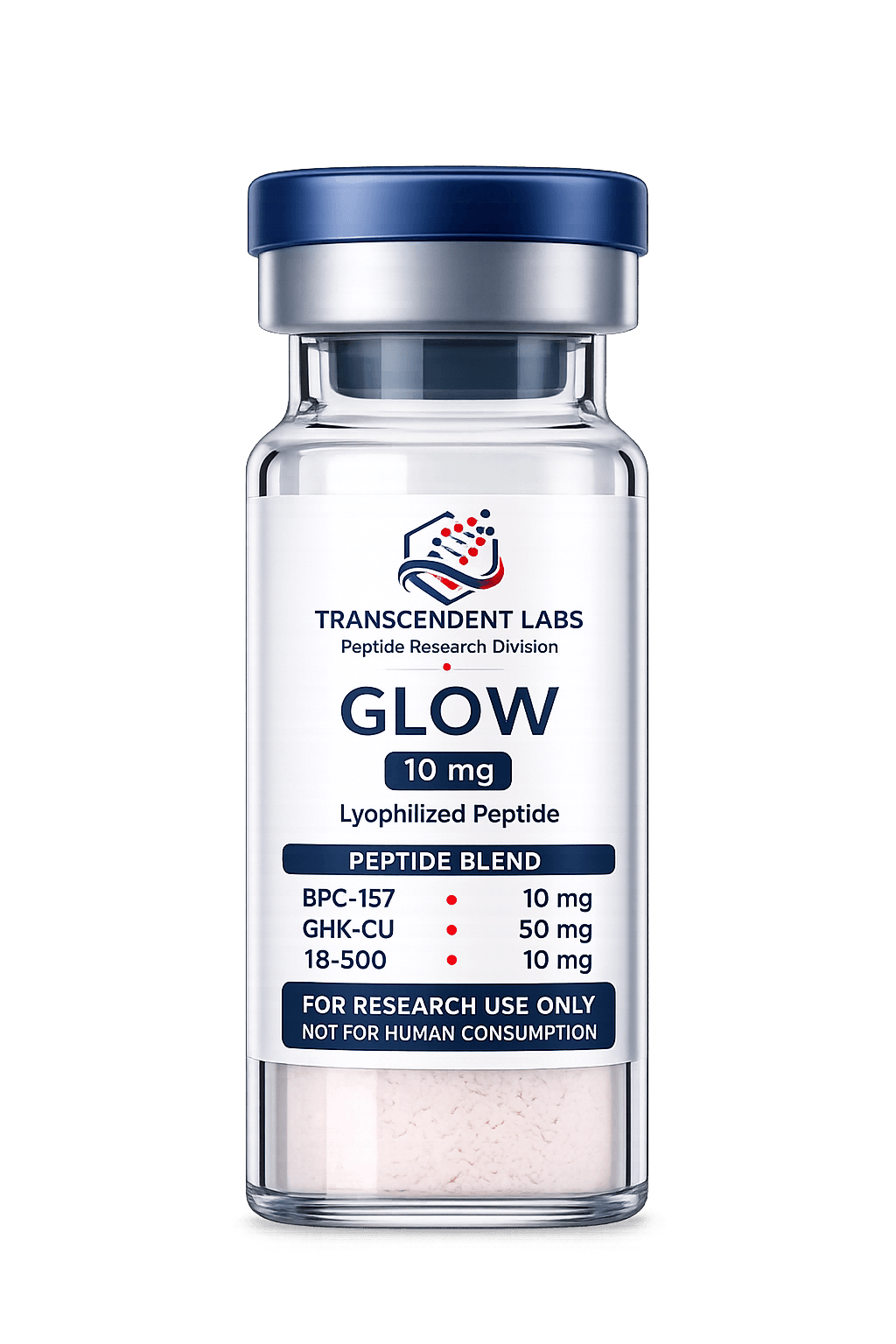
GLOW

Why Glow? Instead of sourcing multiple individual peptides, Glow combines three complementary research compounds into a single formulation designed to simplify laboratory workflows while providing a broad platform for regenerative research. Each component contributes distinct properties that researchers have investigated in studies involving connective tissue biology, skin regeneration, extracellular matrix remodeling, angiogenesis, and cellular repair. ⸻ Key Research Areas Tissue regeneration Skin biology Collagen synthesis Extracellular matrix remodeling Angiogenesis Connective tissue research Soft tissue recovery Hair follicle biology Cellular signaling pathways ⸻ Glow combines three complementary peptides selected for their unique roles in regenerative research. GHK-Cu (50 mg) is a naturally occurring copper peptide extensively studied for its involvement in collagen production, extracellular matrix remodeling, gene expression, angiogenesis, and skin biology. BPC-157 (10 mg) has been investigated in experimental models involving connective tissue integrity, angiogenesis, nitric oxide signaling, gastrointestinal biology, and tissue repair. TB-500 (10 mg), a synthetic fragment related to thymosin beta-4, has been widely studied for its role in cellular migration, wound healing, musculoskeletal research, and regenerative signaling pathways. Together, these peptides provide researchers with a convenient all-in-one blend for investigating multiple biological processes within regenerative medicine and tissue biology. Glow is manufactured using high-purity peptide synthesis, lyophilized for stability, and supplied exclusively for laboratory research. ⸻ Why Researchers Choose Glow ✔ Three complementary peptides in one vial ✔ High-strength 50 mg GHK-Cu ✔ Simplified laboratory workflow ✔ Lyophilized for stability ✔ Premium research-grade quality ✔ Third-party purity testing ✔ Laboratory Use Only

Analytical purityHigh Purity
$98.00
IGF-1 LR3 research compound
peptidesIn stock

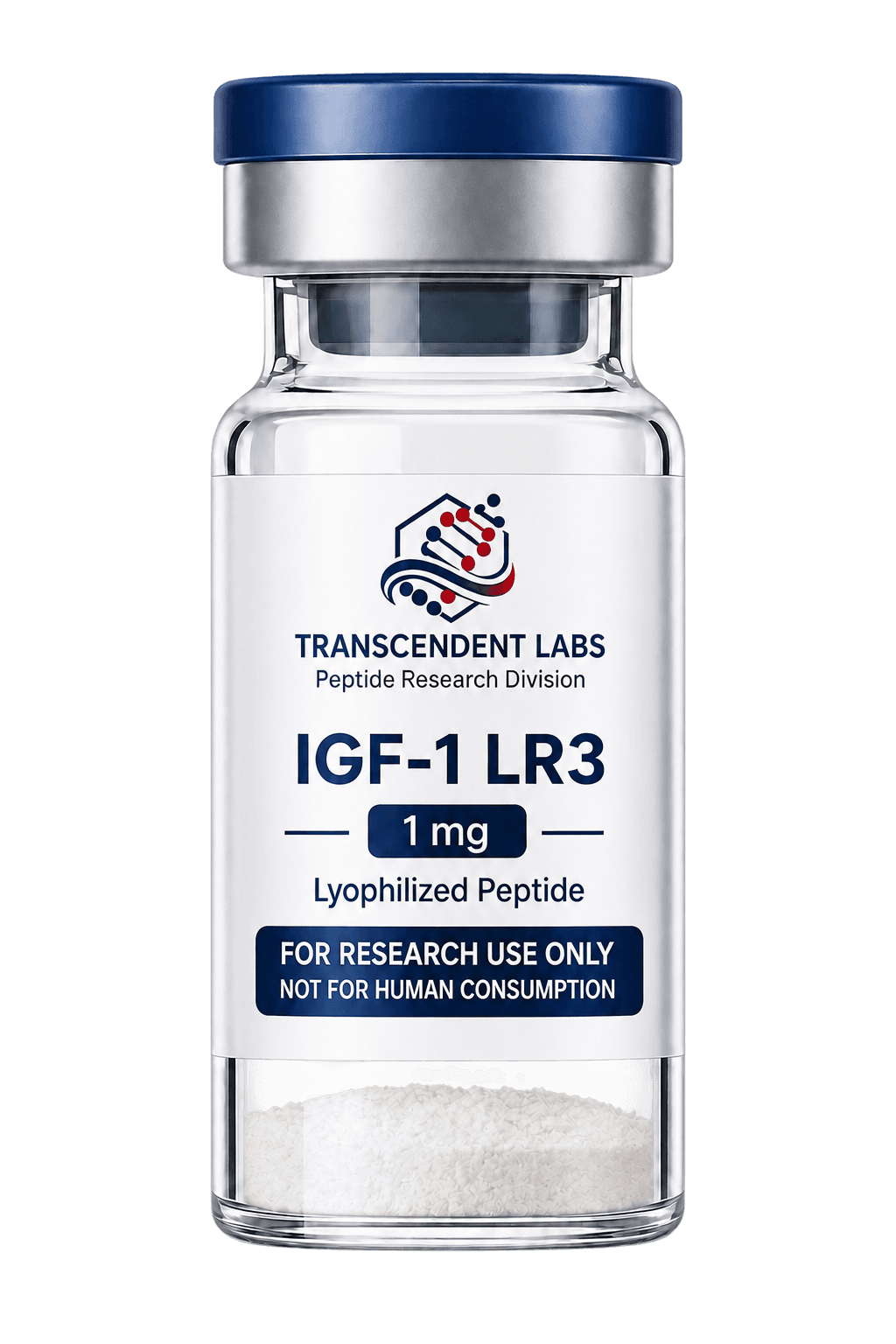
IGF-1 LR3

IGF-1 LR3: Extended-Activity Growth Factor Analog IGF-1 LR3—also known as Long R3 IGF-1—is an engineered, 83-amino-acid analog of insulin-like growth factor 1 (IGF-1). It contains an arginine substitution at position three and a 13-amino-acid extension at its N-terminus. These structural modifications substantially reduce its binding to IGF-binding proteins, allowing more of the molecule to remain available for interaction with the IGF-1 receptor in laboratory settings. This makes IGF-1 LR3 more biologically active in vitro than naturally occurring IGF-1. Researchers use IGF-1 LR3 to investigate: • IGF-1 receptor signaling • Cellular growth and proliferation • Cell survival and viability • Protein-synthesis pathways • Muscle-cell and tissue-development models • Serum-free mammalian cell culture • Recombinant-protein production By activating the IGF-1 receptor, IGF-1 LR3 can influence signaling pathways associated with cellular growth, survival, metabolism, and protein synthesis. Its reduced affinity for IGF-binding proteins makes it especially useful for studying sustained IGF-1 receptor activity under controlled laboratory conditions. Important Notice IGF-1 LR3 is intended strictly for laboratory research and analytical use. It is not approved for human consumption, medical treatment, bodybuilding, veterinary use, or diagnostic purposes. The biological effects observed in laboratory models should not be interpreted as established benefits in humans.

Analytical purityHigh Purity
$78.00
KPV 10 mg research compound
peptidesIn stock

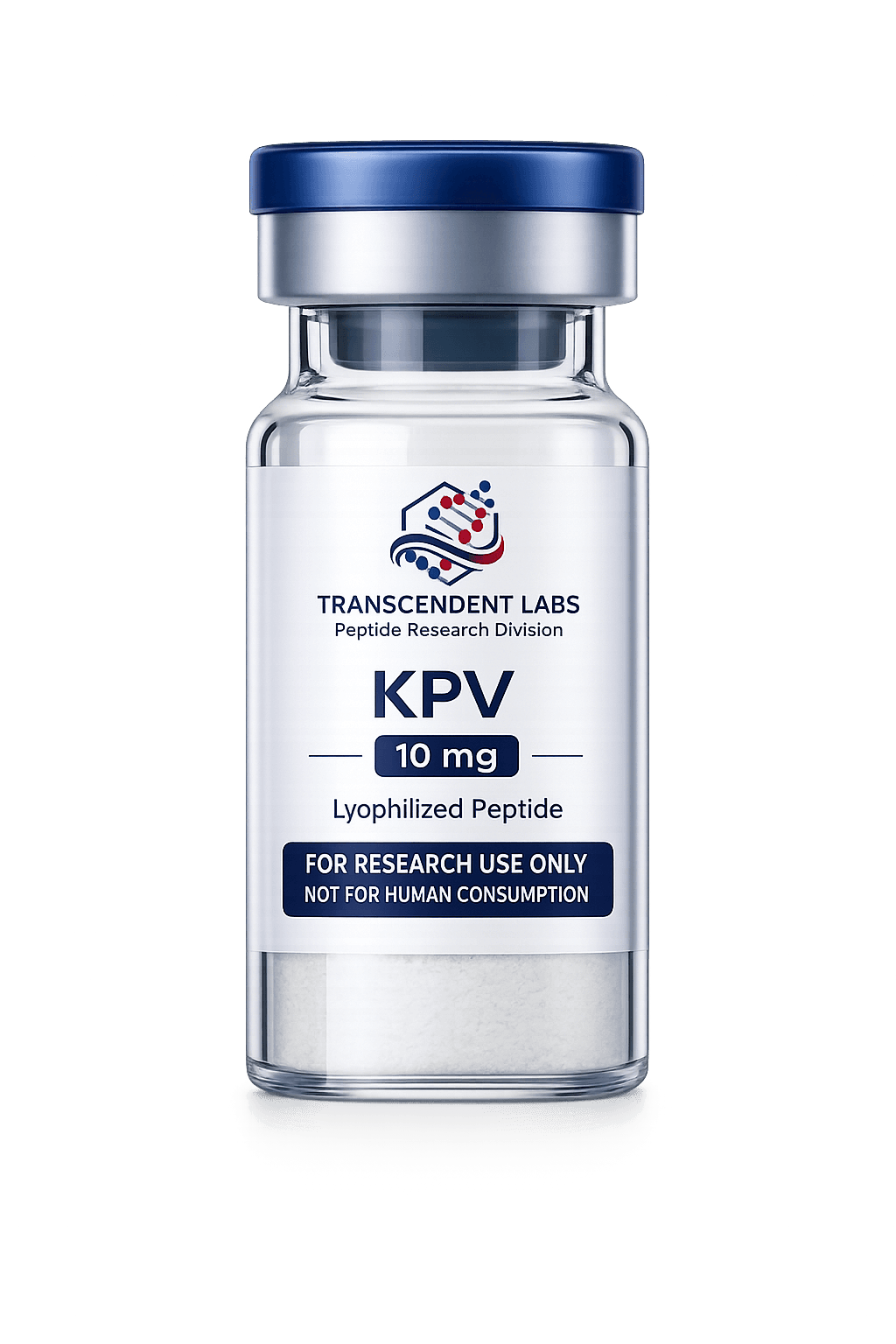
KPV 10 mg

KPV (Lysine–Proline–Valine) is a synthetic tripeptide derived from the C-terminal sequence of alpha-melanocyte-stimulating hormone (α-MSH), known for its role in modulating inflammatory and immune responses. Unlike the full α-MSH peptide, KPV retains potent anti-inflammatory activity while lacking significant melanogenic effects, making it a subject of interest in targeted research applications. Mechanistically, KPV has been shown to influence pro-inflammatory cytokine pathways, including the inhibition of nuclear factor kappa B (NF-κB) signaling, thereby reducing the expression of inflammatory mediators such as TNF-α and interleukins. In experimental models, it has been studied for its effects on immune modulation, gastrointestinal inflammation, and tissue repair processes. Due to its small size and stability, KPV demonstrates favorable characteristics for investigating localized and systemic inflammatory responses. This compound is intended strictly for research purposes only and is not for human consumption, clinical use, or therapeutic application.

Analytical purityHigh Purity
$48.00
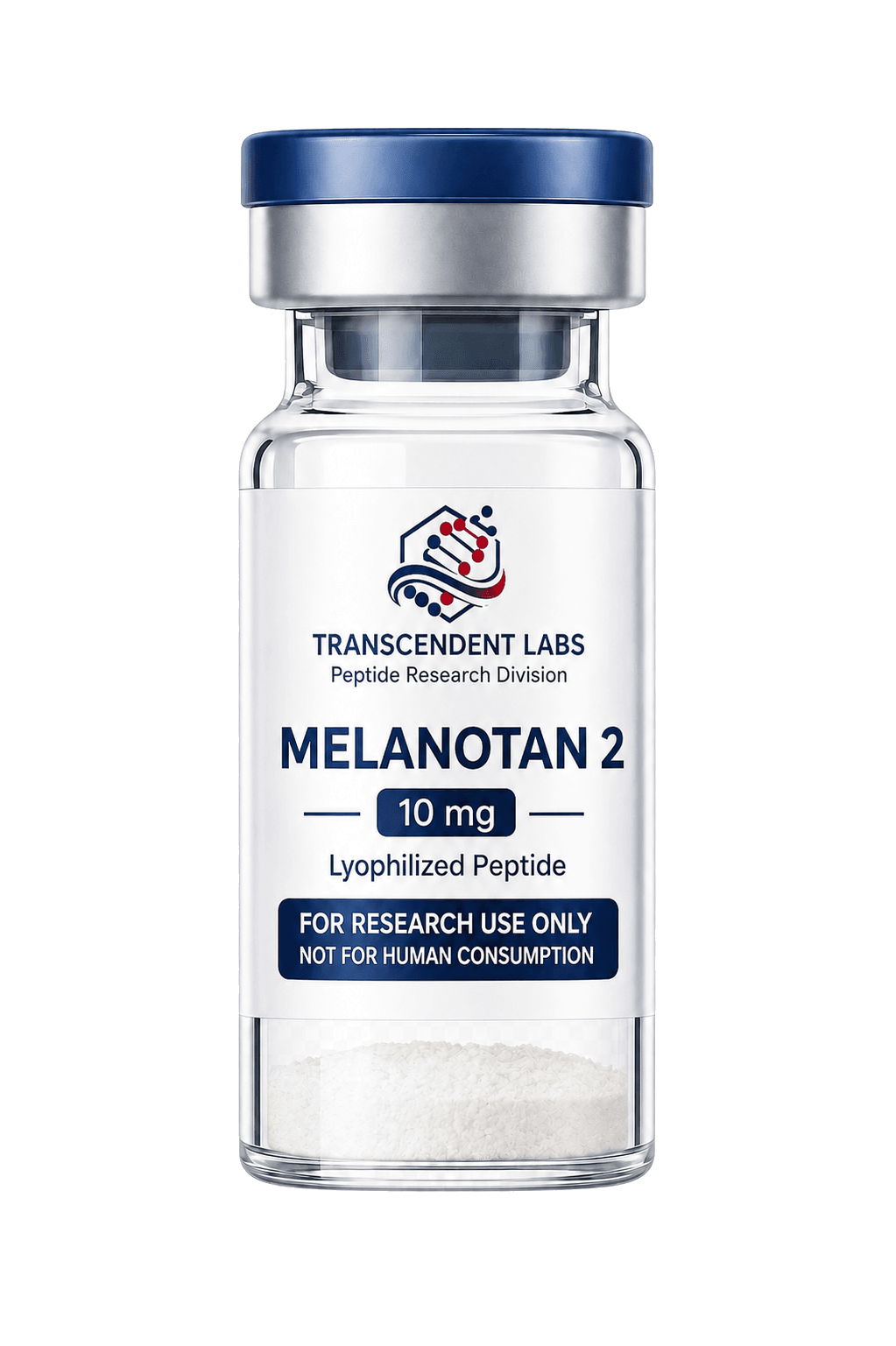
MELANOTAN 2 research compound
peptidesIn stock

MELANOTAN 2

Melanotan II: Synthetic Melanocortin Research Peptide Melanotan II, commonly called MT-2, is a synthetic cyclic analog of alpha-melanocyte-stimulating hormone (α-MSH), a naturally occurring peptide involved in the body’s melanocortin signaling system. Melanotan II acts as a nonselective melanocortin receptor agonist. In laboratory models, it interacts with several melanocortin receptors—including MC1R, MC3R, MC4R, and MC5R—which are associated with pigmentation, appetite regulation, energy balance, and certain behavioral responses. Researchers study Melanotan II for its potential role in: • Melanin production and pigmentation pathways • Melanocortin receptor activity • Appetite and satiety signaling • Energy-balance research • Sexual-behavior signaling • Neurological and behavioral research • Cellular responses to α-MSH analogs Activation of the MC1 receptor has been shown to stimulate melanogenesis—the biological process through which pigment-producing cells create melanin. Activity at other melanocortin receptors has also made Melanotan II a subject of laboratory research involving appetite, metabolism, neurological signaling, and sexual behavior. Important Notice Melanotan II is intended strictly for laboratory research and analytical use. It is not approved by the FDA for tanning, human consumption, medical treatment, cosmetic use, veterinary use, or diagnostic purposes. Laboratory findings should not be interpreted as proven benefits or indications for use in humans.

Analytical purityHigh Purity
$38.00
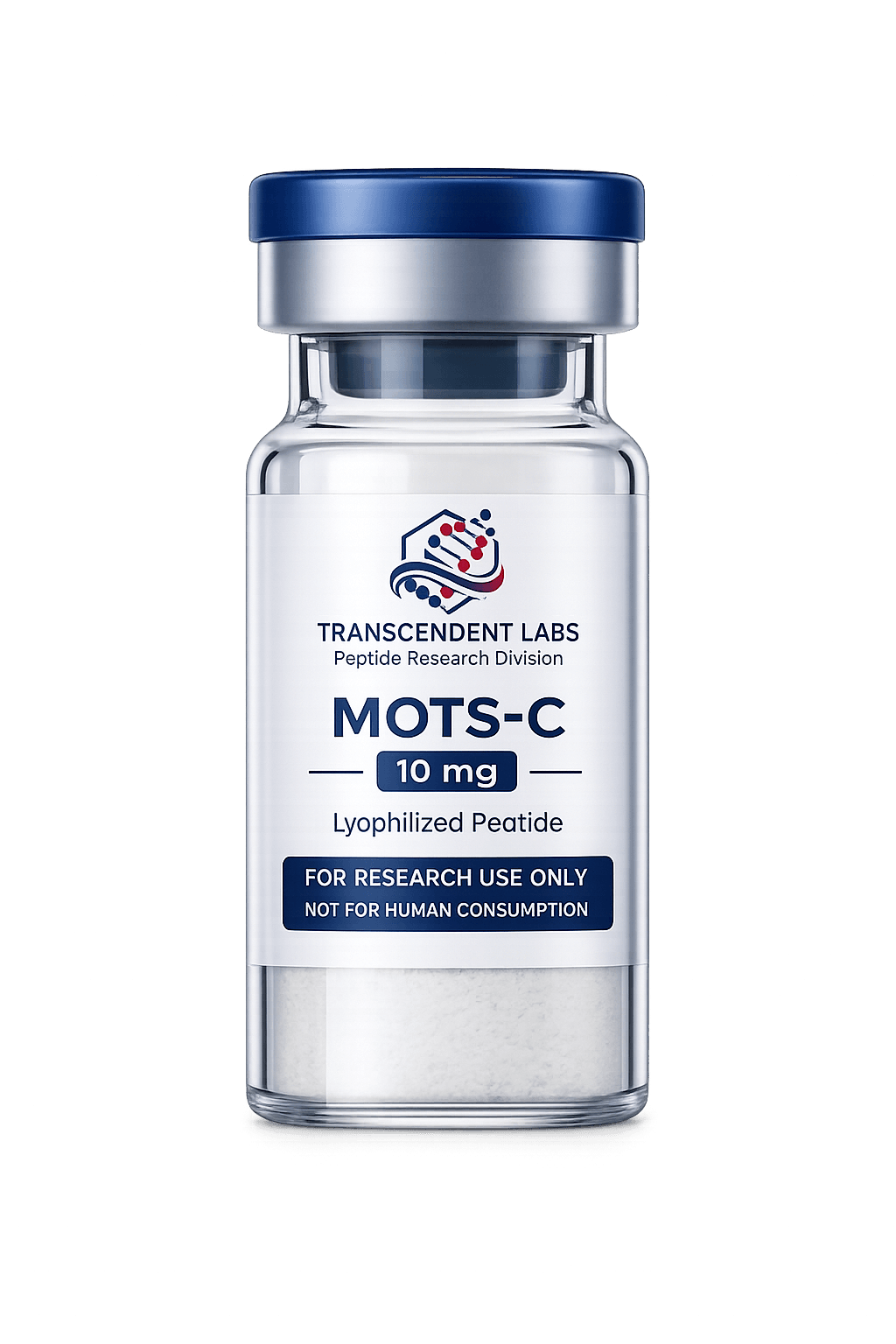
MOTS-C research compound
peptidesIn stock

MOTS-C

MOTS-c (mitochondrial open reading frame of the 12S rRNA-c) is a mitochondrial-derived peptide encoded within the mitochondrial genome and recognized for its role in regulating cellular metabolism and energy homeostasis. It functions as a signaling molecule that can translocate to the nucleus under metabolic stress and influence the expression of genes involved in metabolic adaptation. In research settings, MOTS-c has been shown to activate pathways associated with AMP-activated protein kinase (AMPK), contributing to enhanced glucose utilization, improved insulin sensitivity, and regulation of lipid metabolism. Additionally, it has been studied for its role in promoting mitochondrial function, cellular stress resistance, and metabolic flexibility, particularly in skeletal muscle and other energy-demanding tissues. Due to its involvement in key metabolic signaling networks, MOTS-c is of significant interest in studies related to aging, metabolic disorders, and cellular resilience. This compound is intended strictly for research purposes only and is not for human consumption, clinical use, or therapeutic application.

Analytical purityHigh Purity
$45.00
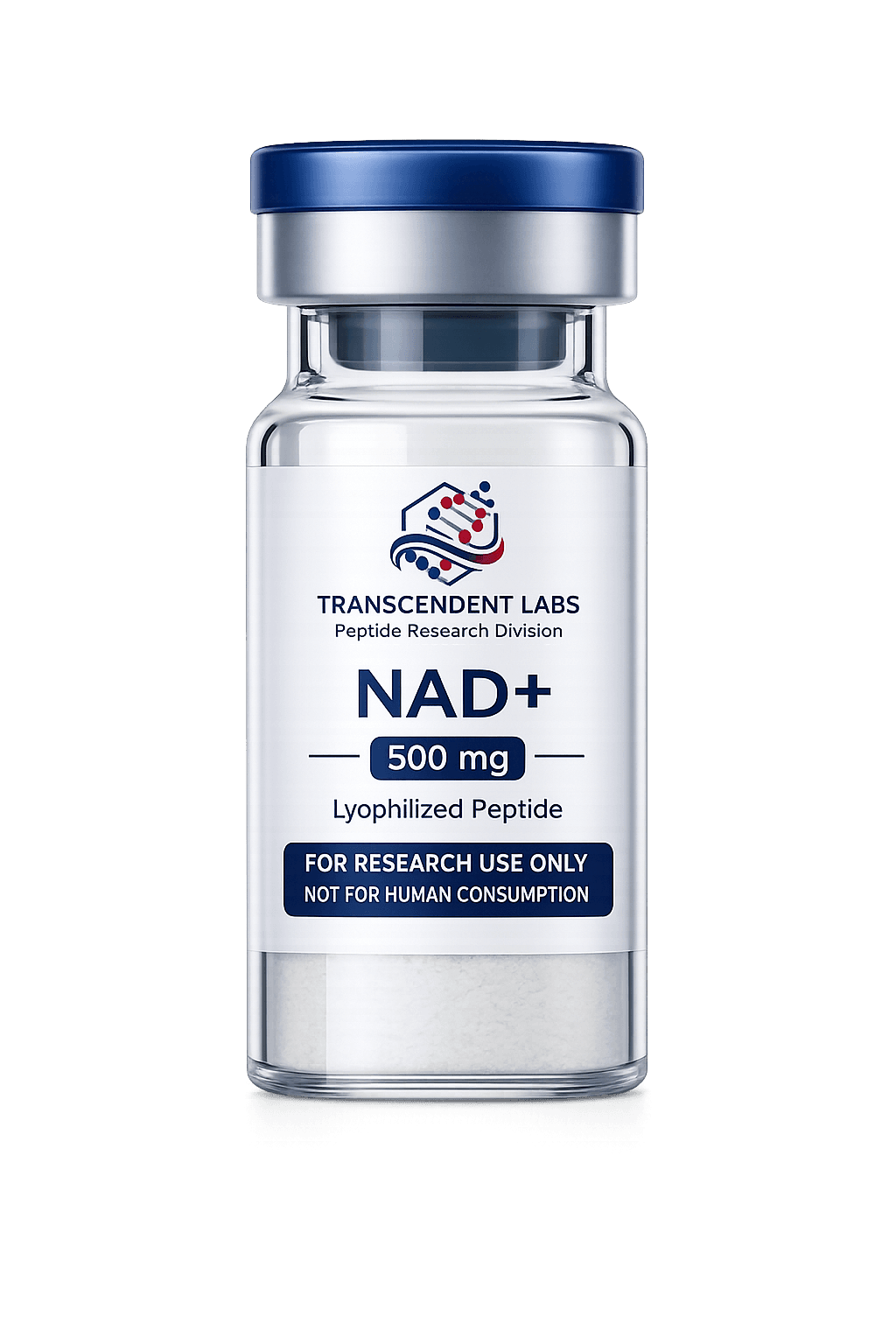
NAD+ (Oxidized Form) 500mg research compound
peptidesIn stock

NAD+ (Oxidized Form) 500mg

NAD+ (Nicotinamide adenine dinucleotide) is a critical coenzyme naturally present in all living cells and has been the subject of extensive biochemical and molecular research for decades. It plays an essential role in fundamental cellular processes, particularly those related to energy metabolism, redox signaling, genomic maintenance, and cellular homeostasis. Due to its central role in cellular function, NAD+ is widely studied in academic, clinical, and laboratory research environments focused on metabolic regulation, cellular aging mechanisms, and stress-response pathways. At the molecular level, NAD+ functions as an electron carrier, cycling between its oxidized form (NAD+) and its reduced form (NADH). This reversible conversion enables NAD+ to participate in redox reactions that are foundational to metabolic balance within experimental systems. These reactions support core biochemical pathways investigated in research models, including glycolysis, the tricarboxylic acid (TCA) cycle, and oxidative phosphorylation, making NAD+ a key component in studies of mitochondrial function and cellular energy production. NAD+ is recognized in research literature as a cornerstone molecule due to its involvement in hundreds of enzymatic reactions across nearly every major metabolic pathway studied in biological systems. Experimental data consistently demonstrate that reduced intracellular NAD+ availability in research models is associated with impaired energy transfer, altered signaling cascades, and diminished capacity for maintaining cellular and genomic integrity, reinforcing its importance in metabolic and longevity-related research. In laboratory settings, NAD+ is also studied for its role as a substrate for enzymes such as sirtuins, PARPs, and CD38, all of which are central to research into DNA repair mechanisms, epigenetic regulation, and cellular stress responses. These investigations are conducted using controlled in vitro and in vivo research models to better understand molecular behavior, pathway interactions, and biochemical regulation, making NAD+ highly relevant in advanced biochemical and cellular research applications. For experimental consistency and analytical accuracy, research-grade NAD+ materials are typically characterized by high purity, manufactured under controlled conditions, and verified as LPS-free peptide, endotoxin-free peptide, and research peptides endotoxin tested, ensuring minimal interference with sensitive cellular and biochemical assays. These quality parameters are essential for maintaining reproducibility, reliability, and validity in advanced laboratory research. This material is intended strictly for laboratory research and scientific investigation only. NAD+ is not intended for human or animal use, and no information herein should be interpreted as relating to therapeutic applications, clinical outcomes, or direct biological benefit outside of controlled research settings.

Analytical purity≥99.8% Purity (Enzymatic Assay)
$85.00
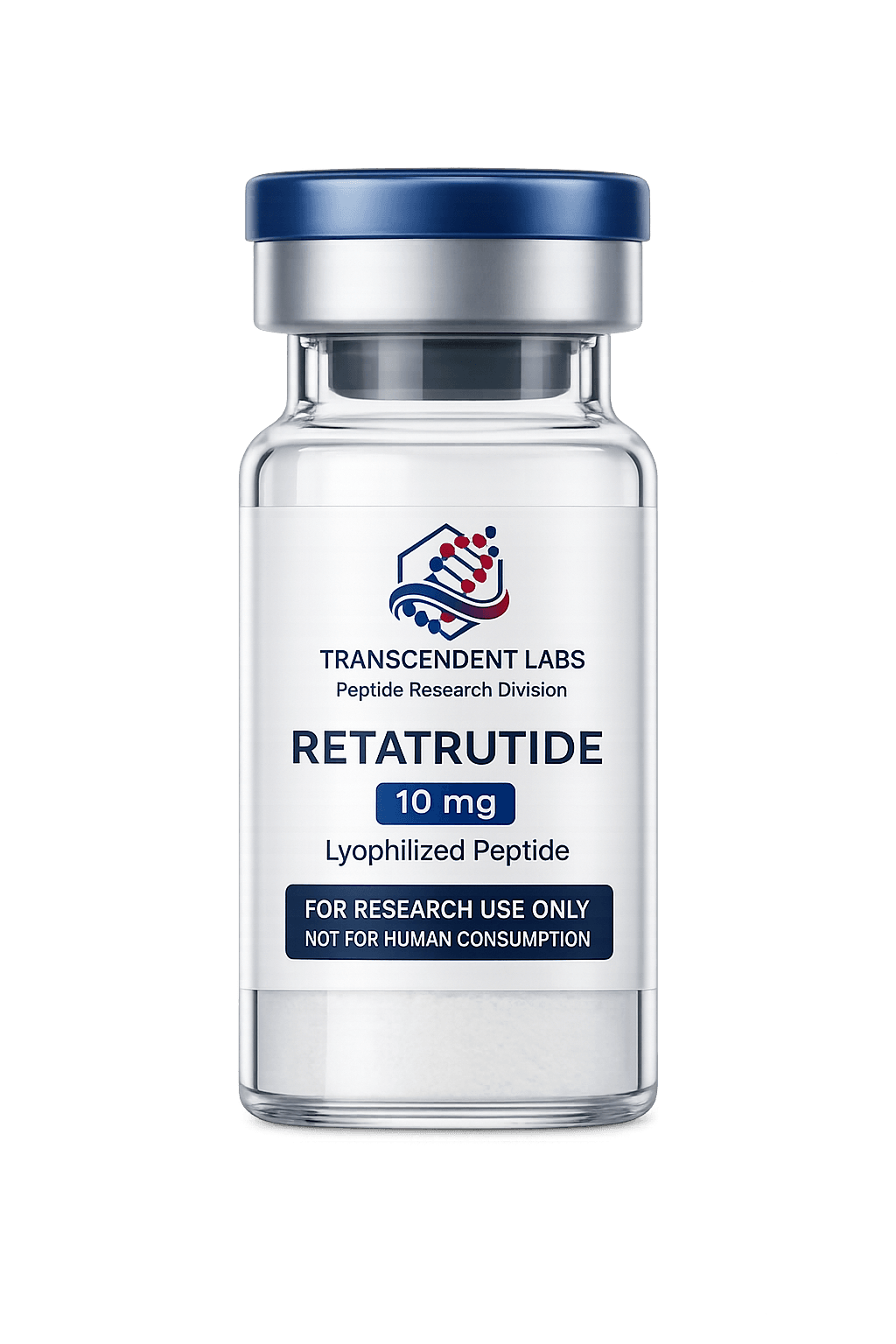
Retatrutide 10mg research compound
peptidesIn stock

Retatrutide 10mg

Retatrutide is a synthetic peptide studied in advanced research environments for its activity as a multi-receptor agonist targeting glucagon, GLP-1, and GIP pathways. Structurally designed to interact with multiple metabolic receptors simultaneously, retatrutide has become a compound of interest in controlled laboratory and investigative research settings focused on energy balance, metabolic signaling, and nutrient regulation. In research models, retatrutide has been evaluated for its influence on glucose metabolism, lipid regulation, and integrated hormonal signaling pathways. Its multi-target mechanism allows for the investigation of complex physiological systems, including appetite regulation, energy expenditure, and metabolic homeostasis. These characteristics have positioned retatrutide as a relevant compound in metabolic, endocrine, and systems biology research. Retatrutide supplied for research purposes is manufactured to meet high analytical standards. It is typically provided as a high-purity, LPS-free peptide, verified as an endotoxin-free peptide, and classified under research peptides endotoxin tested protocols. These quality attributes support reproducibility, consistency, and integrity across experimental and laboratory investigations. Importantly, Retatrutide 10mg is not intended for human or animal use. It is supplied strictly for laboratory, educational, and investigative research purposes only.
Analytical purityHigh Purity
$75.00
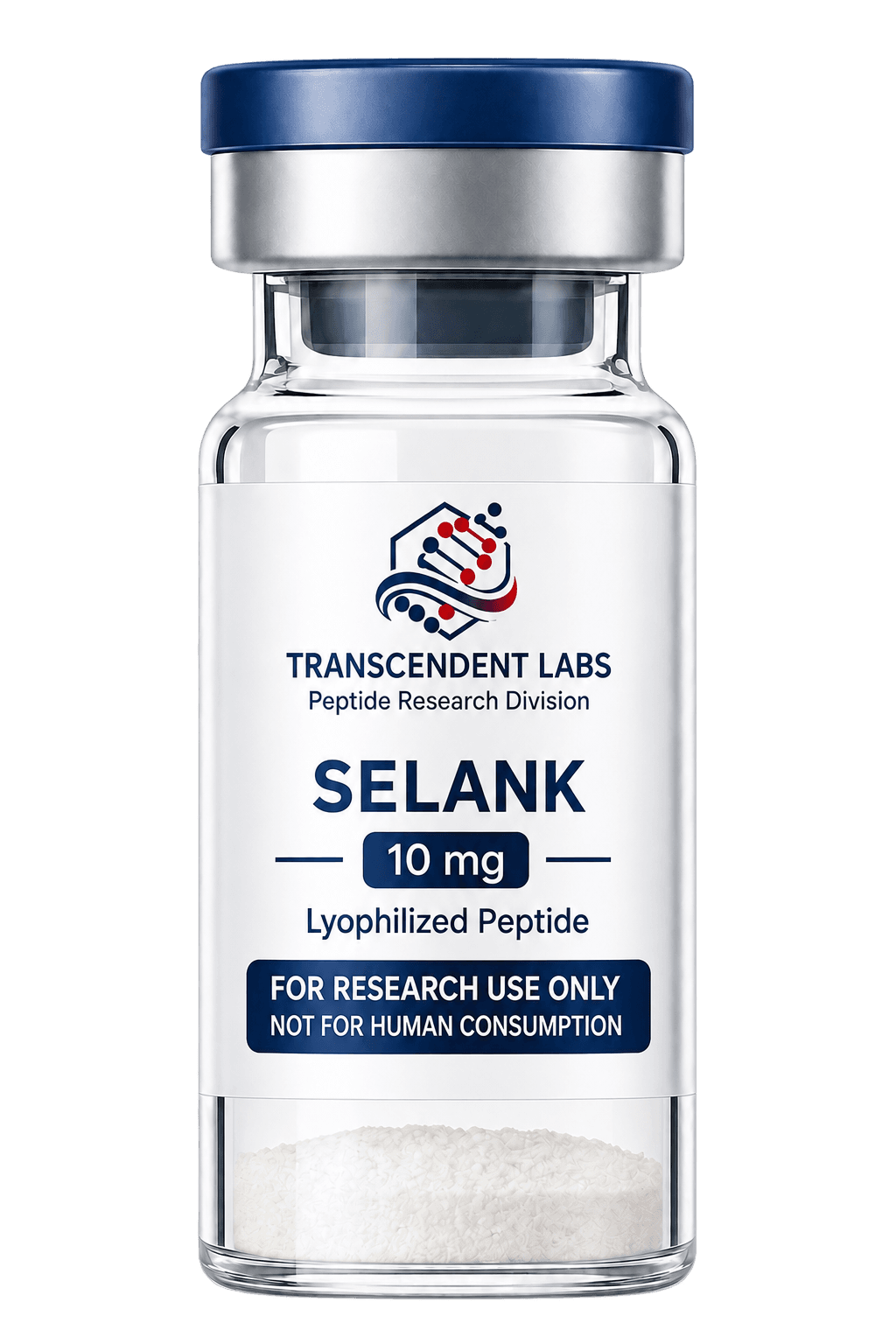
SELANK research compound
peptidesIn stock

SELANK

Selank: Tuftsin-Derived Research Peptide Selank is a synthetic seven-amino-acid peptide developed as an analog of tuftsin, a naturally occurring peptide associated with immune-system regulation. Its amino-acid sequence is Thr-Lys-Pro-Arg-Pro-Gly-Pro. Selank has attracted scientific interest because of its observed effects on neurological, behavioral, and neuroimmune pathways in experimental models. Researchers have primarily investigated its relationship with stress responses, anxiety-related behavior, memory, learning, and neurotransmitter signaling. Researchers study Selank for its potential role in: • Stress- and anxiety-related behavioral models • GABAergic signaling and gene expression • Memory, learning, and attention pathways • Brain-derived neurotrophic factor (BDNF) regulation • Neuroplasticity and adaptive brain responses • Neurotransmitter and enkephalin metabolism • Neuroimmune communication and cytokine activity Preclinical studies suggest that Selank may influence the GABAergic system and alter the expression of genes involved in neurotransmission. Animal research has also examined its effects on BDNF—a protein involved in neuronal survival, learning, memory, and neuroplasticity. Although these findings have made Selank an important subject in neuroscience research, they do not establish that it can diagnose, prevent, or treat anxiety, cognitive impairment, or any other medical condition in humans. Important Notice Selank is intended strictly for laboratory research and analytical use. It is not approved by the FDA for human consumption, medical treatment, psychiatric use, veterinary use, or diagnostic purposes. Laboratory and animal findings should not be interpreted as established benefits in humans.

Analytical purityHigh Purity
$58.00
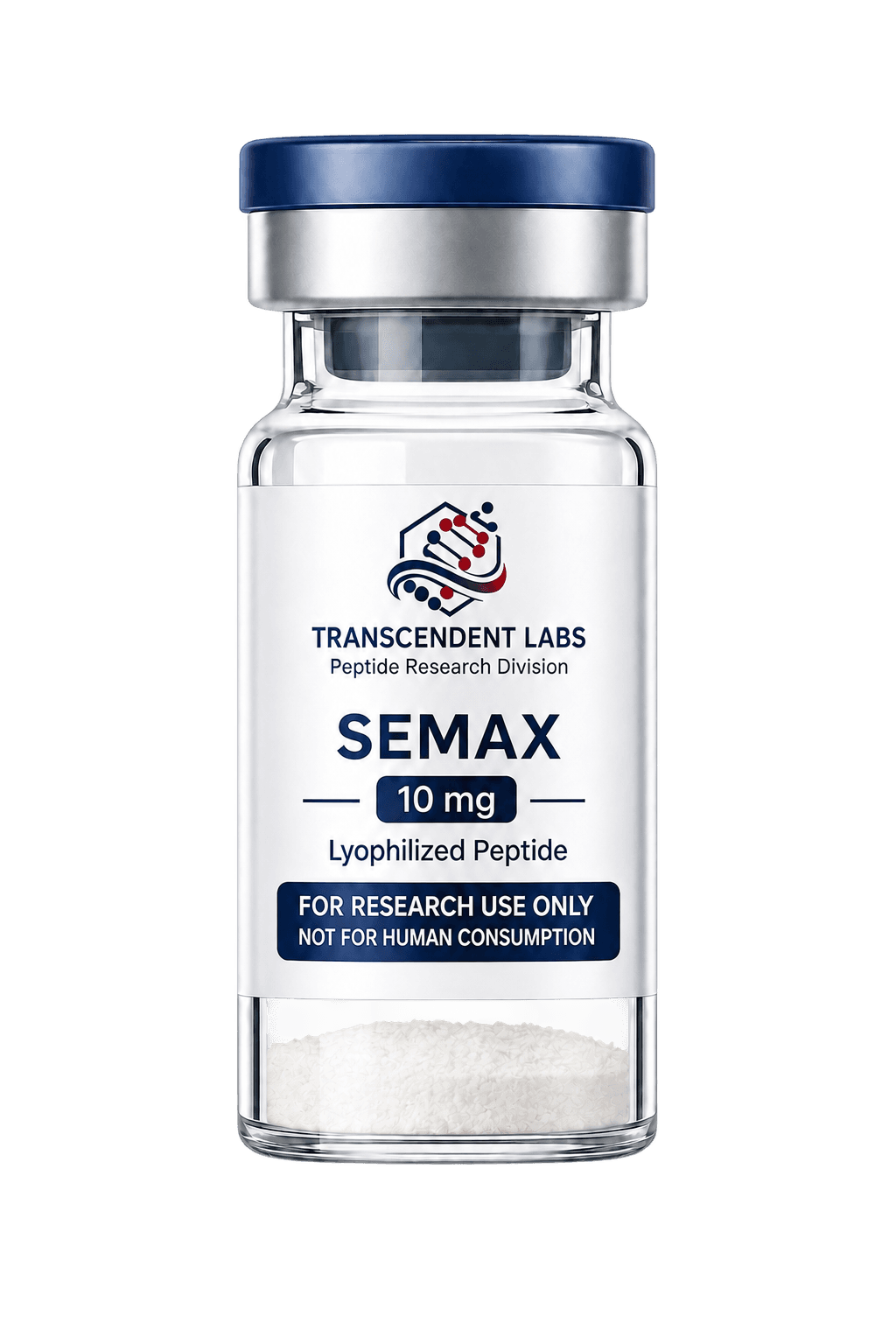
SEMAX research compound
peptidesIn stock

SEMAX

Semax: ACTH-Derived Neurological Research Peptide Semax is a synthetic seven-amino-acid peptide derived from a short fragment of adrenocorticotropic hormone (ACTH). Its amino-acid sequence is Met-Glu-His-Phe-Pro-Gly-Pro. Unlike full-length ACTH, Semax is studied primarily for neurological activity rather than hormonal effects. It has attracted scientific interest because of its observed influence on neurotrophic signaling, gene expression, learning, memory, and cellular responses to neurological stress in experimental models. Researchers study Semax for its potential role in: • Brain-derived neurotrophic factor (BDNF) signaling • TrkB receptor activity • Nerve growth factor (NGF) expression • Learning, memory, and cognitive pathways • Neuroplasticity and neuronal survival • Oxidative-stress and inflammation models • Cerebral-ischemia research • Immune- and vascular-related gene expression Preclinical studies suggest that Semax may influence the BDNF/TrkB signaling system, which plays an important role in neuronal survival, synaptic plasticity, learning, and memory. Laboratory and animal studies have also examined changes in immune, vascular, and neurotrophic gene expression following exposure to Semax. These findings make Semax an important research tool for investigating how peptide signaling may affect the nervous system under normal and experimentally induced stress conditions. However, the available evidence does not establish Semax as a treatment for stroke, memory loss, cognitive impairment, or any other medical condition in humans. Important Notice Semax is intended strictly for laboratory research and analytical use. It is not approved by the FDA for human consumption, medical treatment, cognitive enhancement, veterinary use, or diagnostic purposes. Laboratory and animal findings should not be interpreted as established benefits in humans.

Analytical purityHigh Purity
$58.00
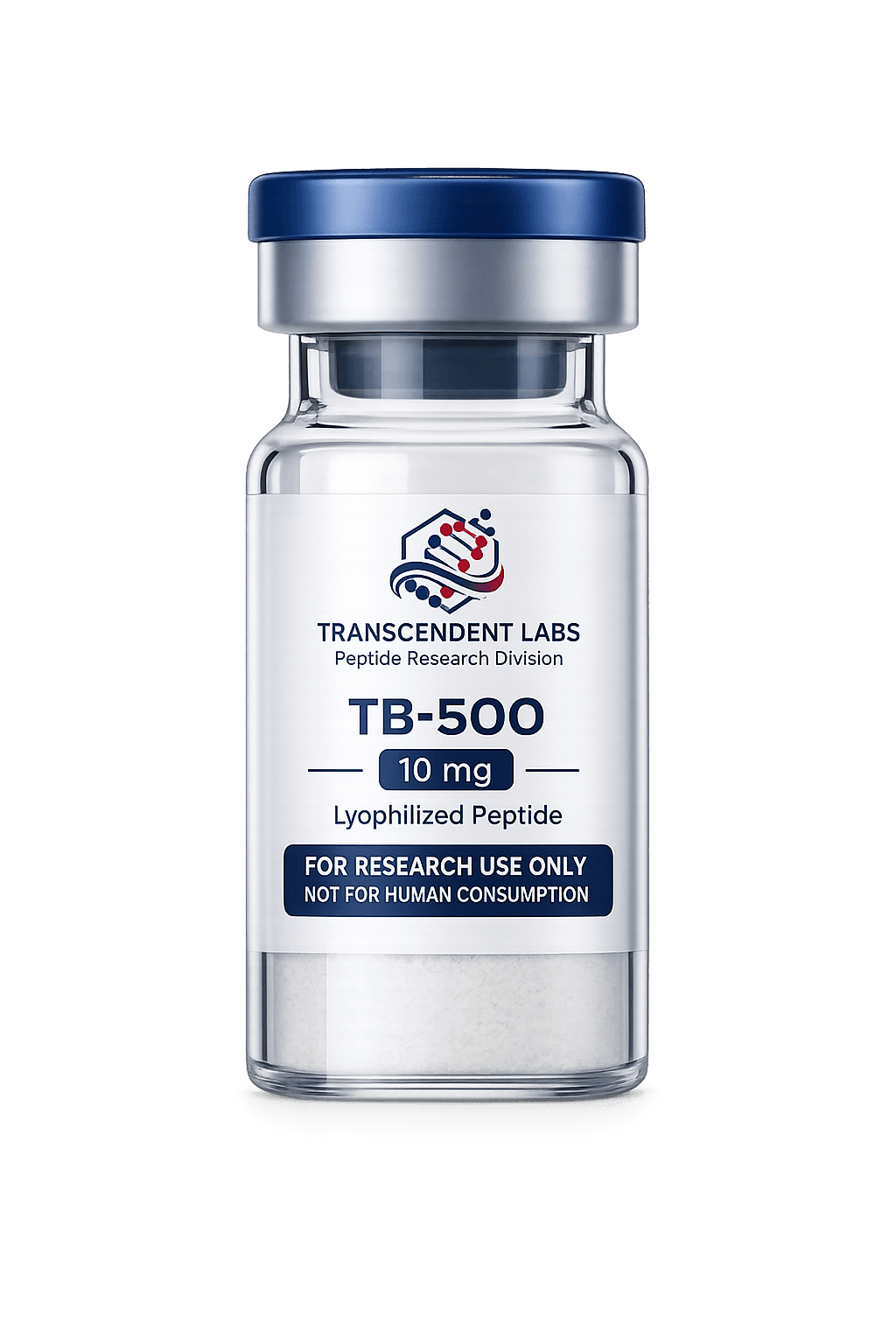
TB-500 (Thymosin Beta-4) 10mg research compound
peptidesIn stock

TB-500 (Thymosin Beta-4) 10mg

TB-500 (Thymosin Beta-4) is a synthetic peptide composed of 43 amino acids and modeled after the biologically active region of the naturally occurring thymic protein Thymosin Beta-4 (Tβ4). Within laboratory and preclinical research environments, this peptide has attracted substantial interest due to its observed role in cellular migration, tissue organization, angiogenic signaling pathways, and structural remodeling following stress or injury in experimental models. Research investigating Thymosin Beta-4 and its synthetic analogue TB-500 has primarily focused on mechanisms related to cytoprotection, actin regulation, wound repair signaling, inflammation modulation, and oxidative stress reduction across multiple tissue systems. These processes are foundational to regenerative biology, making TB-500 a peptide of interest in experimental models related to musculoskeletal integrity, vascular development, neurological tissue response, and cardiac cellular resilience. TB-500 supplied for research applications is manufactured as a high purity, LPS-free peptide and is classified as an endotoxin-free peptide, ensuring minimal interference in sensitive experimental systems. Each batch is produced under stringent quality controls and is research peptides endotoxin tested, supporting reproducibility and reliability in in-vitro and preclinical study designs. This material is intended strictly for laboratory research and scientific investigation only. TB-500 is not intended for human or animal use, and no information herein should be interpreted as relating to therapeutic applications, clinical outcomes, or direct biological benefit outside of controlled research settings.

Analytical purityHigh Purity
$50.00
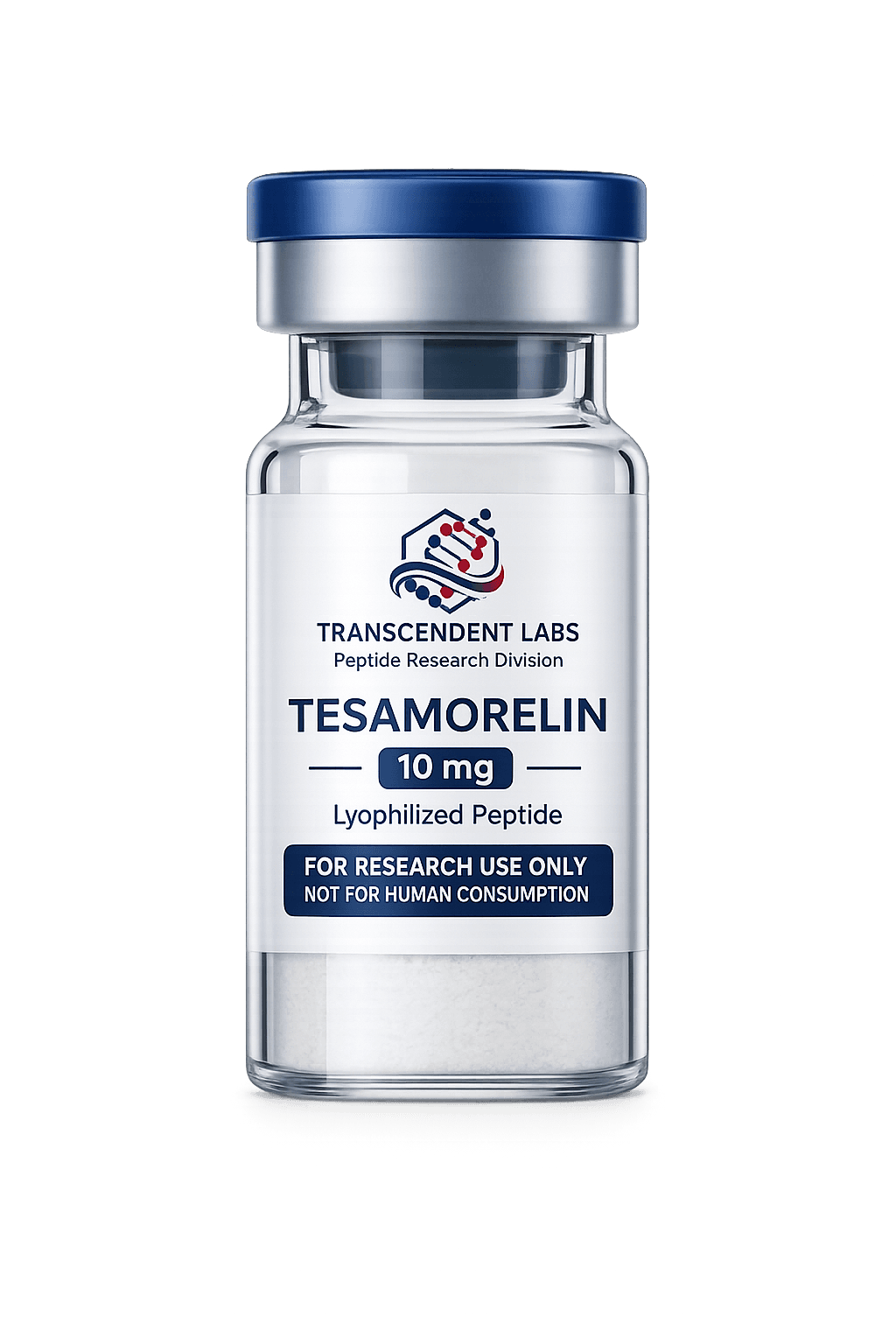
Tesamorelin 10mg research compound
peptidesIn stock

Tesamorelin 10mg

Tesamorelin is a synthetic peptide analogue of growth hormone–releasing hormone (GHRH), composed of a 44-amino acid sequence that has been structurally modified to enhance molecular stability and resistance to enzymatic degradation. This modification allows tesamorelin to retain biological activity for extended periods when compared with native GHRH, making it a compound of interest within controlled laboratory and investigative research environments. Initially developed and later approved under the brand name Egrifta®, tesamorelin has since attracted broader scientific attention due to its role in regulating endogenous growth hormone signaling pathways. In research settings, it has been evaluated for its influence on growth hormone pulsatility, insulin-like growth factor-1 (IGF-1) modulation, and observed changes in visceral adipose tissue distribution within studied populations. These findings have positioned tesamorelin as a relevant compound in metabolic, endocrine, and age-related physiology research models. Tesamorelin 10mg (10 vials) supplied for research purposes is manufactured to meet high analytical standards. It is typically provided as a high-purity, LPS-free peptide, verified as an endotoxin-free peptide, and classified under research peptides endotoxin tested protocols. These quality attributes support reproducibility, consistency, and integrity across experimental and laboratory investigations. Importantly, Tesamorelin is not intended for human or animal use. It is supplied strictly for laboratory, educational, and investigative research purposes only.
Analytical purityHigh Purity
$65.00
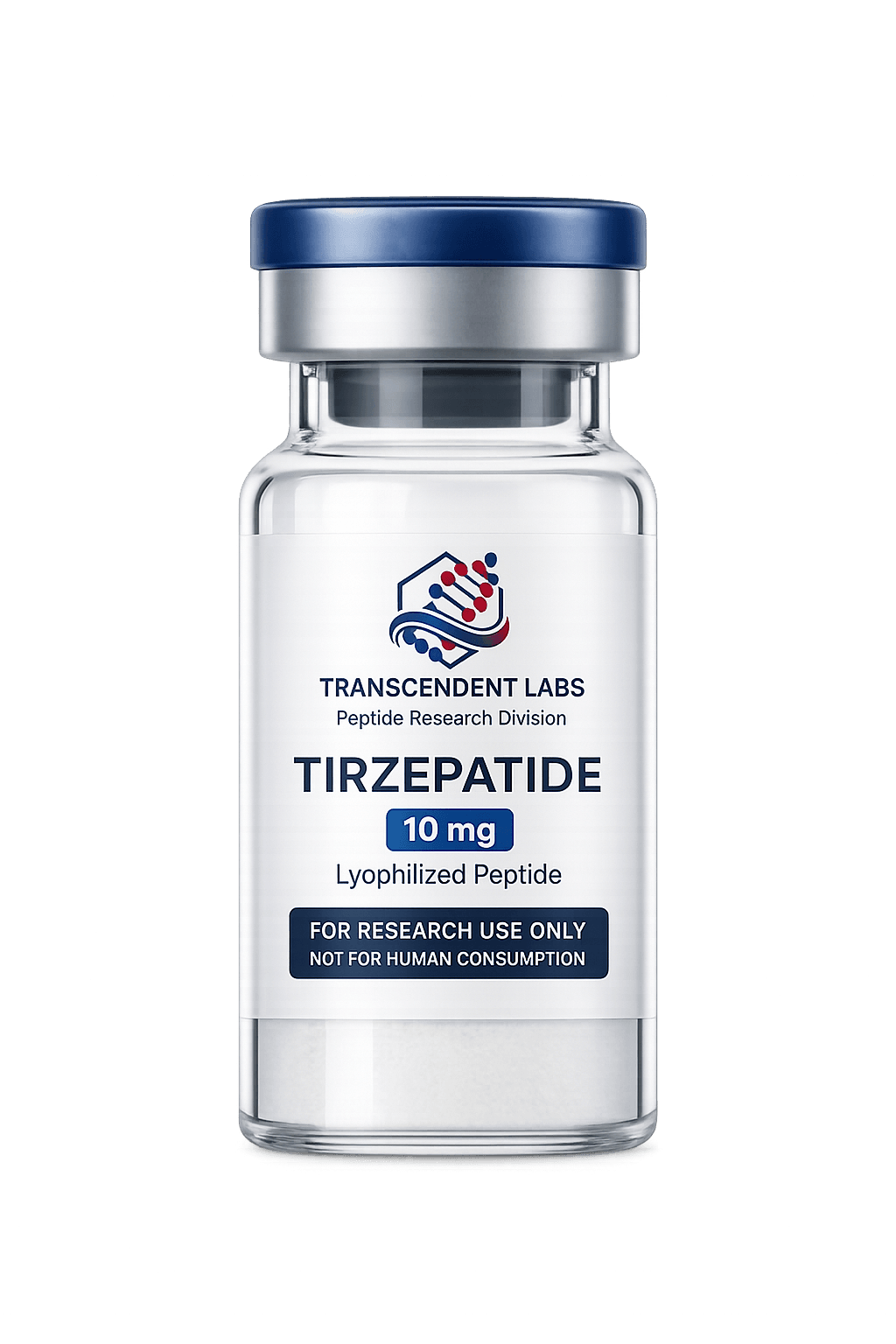
Tirzepatide 10 mg research compound
peptidesIn stock

Tirzepatide 10 mg

Tirzepatide is a synthetic peptide that functions as a dual agonist of the glucose-dependent insulinotropic polypeptide (GIP) receptor and the glucagon-like peptide-1 (GLP-1) receptor, both of which are key regulators of glucose metabolism and energy balance. By simultaneously activating these incretin pathways, tirzepatide enhances glucose-dependent insulin secretion, reduces glucagon release, and contributes to improved metabolic signaling. It is structurally engineered to mimic endogenous incretin hormones while providing increased stability and prolonged biological activity. In research settings, tirzepatide has been studied for its effects on glucose homeostasis, insulin sensitivity, gastric emptying, and central appetite regulation, as well as its broader role in metabolic and endocrine function. This compound is intended strictly for research purposes and is not for human consumption, clinical use, or therapeutic application.

Analytical purityHigh Purity
$48.00